
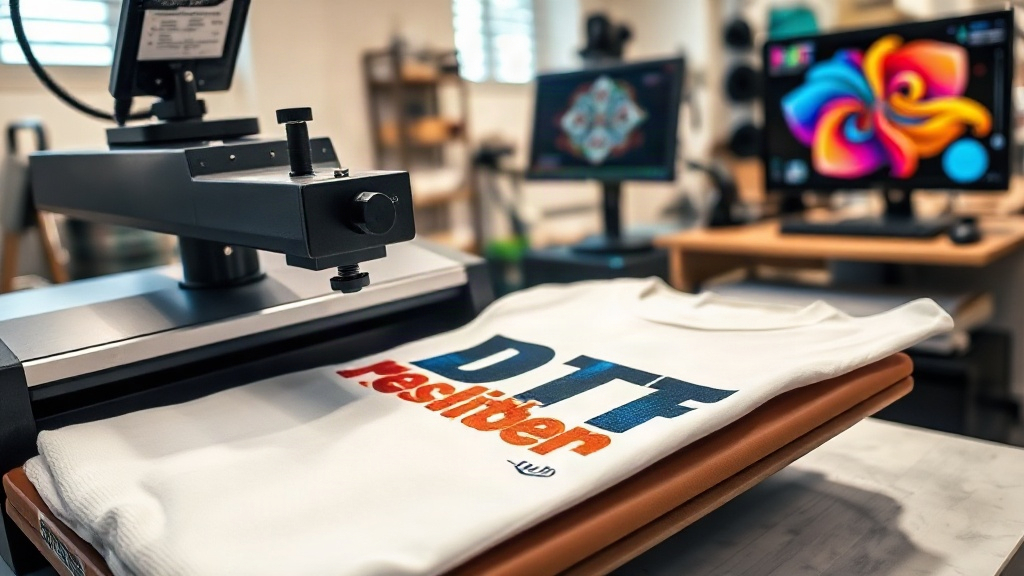
If you've been exploring custom apparel printing, you've likely encountered DTF Transfers. This technology has rapidly gained popularity for its versatility and vibrant results. Unlike traditional methods, DTF transfers allow you to print full-color designs on a wide range of fabrics without the need for weeding or special pretreatments. In this guide, I'll walk you through everything you need to know to get started with DTF transfers, sharing insights from my own experience in the print shop.
What Are DTF Transfers?
DTF stands for Direct-to-Film. It's a printing process where your design is printed onto a special film, coated with a adhesive powder, and then heat-pressed onto the fabric. The result is a soft, stretchable print that bonds permanently to the material. DTF transfers are known for their ability to handle intricate details and gradients, making them ideal for photographic designs and complex artwork.
How DTF Transfers Differ from Other Methods
Compared to DTG (Direct-to-Garment), DTF transfers don't require pretreatment, and they work on dark and light fabrics equally well. Unlike vinyl, you don't need to weed small details. And unlike screen printing, DTF is cost-effective for small batches and full-color designs. This flexibility makes DTF transfers a game-changer for small businesses and hobbyists alike.
The DTF Transfer Process Step by Step
Understanding the workflow helps you avoid common pitfalls. Here's how it goes:
- Design Preparation: Create your artwork in a graphics program. Ensure it's mirrored if your printer requires it (most DTF printers print mirrored by default).
- Printing: Use a DTF printer with DTF ink and print onto PET film. The printer lays down a white ink layer behind the color layers to make the design opaque.
- Powdering: While the ink is still wet, apply hot melt adhesive powder evenly over the print. Shake off excess.
- Curing: Melt the powder using a heat source (often a heat press or oven) until it becomes glossy. This activates the adhesive.
- Pressing: Place the transfer onto your fabric and press with a heat press at the recommended temperature and pressure. Once cooled, peel off the film.
Each step requires attention to detail. For instance, under-powdering leads to poor adhesion, while over-curing can cause the film to warp. I learned this the hard way when I first started, but with practice, you'll develop a feel for it.
Materials You'll Need for DTF Transfers
To get started, gather these essentials:
- DTF Printer: A dedicated DTF printer or a converted inkjet printer with DTF ink.
- DTF Ink: Specially formulated inks including CMYK and white.
- PET Film: Transfer film designed for DTF.
- Adhesive Powder: Hot melt powder for bonding.
- Heat Press: For curing and pressing.
- Heat-Resistant Tape: To secure the transfer during pressing.
Quality supplies matter. Cheaper films can cause ink bleeding, and low-grade powder may not adhere well. Invest in reputable brands to save yourself headaches.
Choosing the Right Fabrics for DTF Transfers
One of the biggest advantages of DTF transfers is their compatibility with various materials. They work well on:
- Cotton
- Polyester
- Cotton-poly blends
- Nylon
- Leather (with caution)
However, fabrics with heavy textures or coatings may not yield the best results. For example, on rough canvas, the transfer might not adhere evenly. Always test on a swatch before production.
Preparing Fabrics for Best Adhesion
Before pressing, ensure the fabric is clean, dry, and free of wrinkles. Pre-press the garment for a few seconds to remove moisture. This step significantly improves adhesion and durability.
Mastering Heat Press Settings
Heat press settings vary depending on the film and powder manufacturer, but here are general guidelines:
- Temperature: 300-325°F (150-160°C)
- Pressure: Medium to firm
- Time: 10-15 seconds for pressing
For curing the powder, follow the powder's instructions, typically around 300°F for 2-3 minutes. Always use a heat gun or infrared thermometer to verify temperature.
Common DTF Transfer Problems and How to Fix Them
Even with experience, issues can arise. Here are solutions to frequent problems:
- Transfer not adhering: Increase pressure or temperature. Ensure powder is properly cured.
- Cracking after washing: Usually due to under-curing or insufficient powder. Re-cure or add more powder.
- Color fading: Use high-quality ink and avoid over-pressing, which can burn the ink.
- Film peeling off: Let the transfer cool completely before peeling. If it peels too easily, the adhesive may be under-cured.
I keep a notebook of each job's settings and results. It helps me dial in the perfect parameters over time.
DTF Transfers vs. Other Printing Methods
How does DTF stack up against alternatives?
- DTG: DTF doesn't require pretreatment and works on more fabrics, but DTG can be faster for large runs on cotton.
- Screen Printing: DTF is more cost-effective for small batches and complex designs, while screen printing excels for high-volume, simple designs.
- Vinyl: DTF handles full-color and gradients easily, whereas vinyl is limited to solid colors and requires weeding.
Your choice depends on your specific needs. For a shop that offers variety, DTF transfers are a valuable addition.
Tips for Vibrant and Durable DTF Transfers
From my experience, these practices yield the best results:
- Use fresh ink and film; old supplies can cause clogs and poor transfers.
- Maintain your printer regularly to prevent nozzle issues.
- Store transfers in a cool, dry place to avoid moisture absorption.
- When pressing, use a Teflon sheet or parchment paper to protect the design.
- Wash garments inside out in cold water and avoid bleach to prolong the print's life.
These small habits make a big difference in the longevity of your prints.
Frequently Asked Questions About DTF Transfers
How long do DTF transfers last?
With proper application and care, DTF transfers can last as long as the garment itself, often 50+ washes. Following washing instructions is key.
Can I use DTF transfers on 100% polyester?
Yes, DTF transfers work well on polyester. However, lower pressing temperatures are recommended to avoid scorching. Always test first.
Do I need a special printer for DTF transfers?
You can use a dedicated DTF printer or convert an inkjet printer with DTF ink and a RIP software. Dedicated printers are more reliable for consistent results.
What is the difference between DTF and DTG?
DTF uses a film transfer, while DTG prints directly onto the garment. DTF requires no pretreatment and works on more fabrics, while DTG is typically limited to cotton.
How do I store unused DTF transfers?
Keep them in a sealed bag or container away from moisture and direct sunlight. They can last for months if stored properly.
DTF transfers have opened up new possibilities for custom apparel. With the right knowledge and a bit of practice, you can achieve professional-looking prints that impress your customers. Dive in and experiment; the results are worth it.