
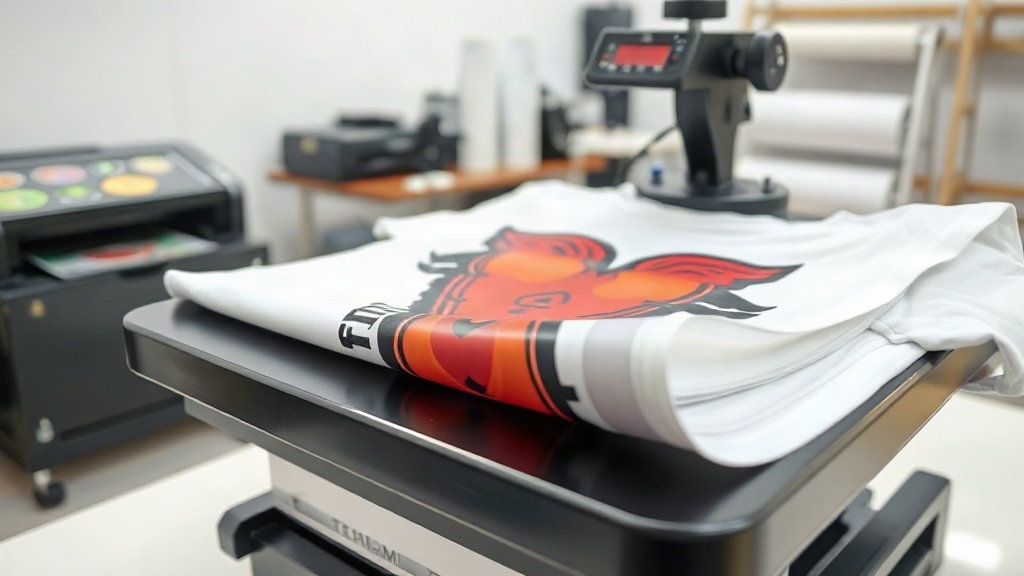
If you're in the custom apparel business or a crafting enthusiast, you've likely heard about DTF Transfers. This innovative printing method is rapidly gaining popularity for its versatility and vibrant results. Unlike traditional screen printing or vinyl, DTF Transfers allow you to print full-color designs on a wide range of fabrics with minimal setup. In this guide, we'll walk you through everything you need to know to get started with DTF Transfers, from understanding the technology to applying them like a pro.
What Are DTF Transfers?
DTF Transfers (Direct to Film) are a type of heat transfer that involves printing a design onto a special film, coating it with adhesive powder, and then transferring it onto a garment using a heat press. The process starts with a digital printer that uses pigment inks to print the design onto a PET film. While the ink is still wet, a fine layer of hot melt adhesive powder is applied, which later bonds the design to the fabric. Once the powder is cured, the transfer is ready to be applied. This method eliminates the need for weeding, masking, or layering, making it a game-changer for complex, multi-colored designs.
Why Choose DTF Transfers?
There are several compelling reasons why DTF Transfers have become a go-to solution for many professionals. First, they offer unmatched versatility. You can apply them to almost any fabric, including cotton, polyester, blends, and even leather. This is a significant advantage over other methods like sublimation, which works best on light-colored polyester. Second, DTF Transfers produce incredibly vibrant and detailed prints. Because the design is printed digitally, you can achieve photorealistic images, gradients, and fine lines without the limitations of color separation. Third, they are durable. When applied correctly, DTF Transfers can withstand repeated washing without fading, cracking, or peeling. Finally, they are cost-effective for short runs and custom orders. There's no need for screens or plates, so you can print one-off designs without breaking the bank.
DTF vs. Other Transfer Methods
To appreciate DTF Transfers fully, it helps to compare them with other popular methods. Let's look at how they stack up against heat transfer vinyl (HTV) and sublimation.
DTF vs. HTV
HTV requires you to cut the design from a colored vinyl sheet and weed out the excess. This is time-consuming and impractical for intricate designs with many colors. DTF Transfers, on the other hand, come pre-printed with your design, so you simply press and peel. No weeding, no layering. Plus, DTF can handle full-color images and fine details that HTV cannot.
DTF vs. Sublimation
Sublimation involves printing with special inks that turn into gas when heated and bond with polyester fibers. It only works on light-colored polyester and requires a coating for cotton. DTF Transfers work on virtually any fabric, regardless of color, and produce a soft, stretchable print that doesn't feel heavy. For cotton and dark garments, DTF is often the superior choice.
How to Apply DTF Transfers: Step by Step
Applying DTF Transfers is straightforward, but following the correct steps ensures a professional, long-lasting result. Here's a detailed guide.
Step 1: Prepare Your Workspace
Set up your heat press on a sturdy, heat-resistant surface. Ensure the press is clean and the platen is free of any residue. Pre-press the garment for a few seconds to remove moisture and wrinkles. This step is crucial for proper adhesion.
Step 2: Position the Transfer
Place the DTF Transfer onto the garment with the printed side facing up. The adhesive powder side should be against the fabric. Use heat-resistant tape if needed to keep it in place.
Step 3: Press with Heat and Pressure
Set your heat press to the recommended temperature, typically around 325°F (160°C). Apply medium to firm pressure for 10-15 seconds. The exact settings may vary depending on the film and powder used, so always check the manufacturer's instructions.
Step 4: Peel the Film
After pressing, you can either peel the film hot or cold, depending on the type of transfer. Most DTF Transfers are cold peel, meaning you wait a few seconds until the film cools down before peeling it off. Peel slowly and steadily in one smooth motion.
Step 5: Post-Press for Durability
For added durability, cover the transferred design with a Teflon sheet or parchment paper and press again for 5-10 seconds. This ensures the adhesive fully cures and the print becomes wash-resistant.
Tips for Perfect DTF Transfers
- Choose the right film: Not all DTF films are created equal. Look for films designed for your specific printer and ink type.
- Control moisture: Humidity can affect the powder application. Store your film and powder in a dry place.
- Test your settings: Every heat press is different. Do a test press on a scrap fabric to dial in the perfect temperature, pressure, and time.
- Use quality powder: The adhesive powder is key to a durable bond. Invest in high-quality powder from a reputable supplier.
- Handle with care: Avoid touching the printed area before pressing, as oils from your skin can interfere with adhesion.
Common Mistakes to Avoid
Even seasoned pros can make mistakes. Here are some pitfalls to watch out for when working with DTF Transfers.
- Insufficient pressure: If the pressure is too low, the transfer won't adhere properly and may peel off after washing.
- Wrong temperature: Too hot and the film may scorch; too cold and the adhesive won't activate.
- Peeling too early or too late: Follow the recommended peel method (hot or cold) to avoid smearing or incomplete transfer.
- Not pre-pressing: Skipping the pre-press can trap moisture, leading to poor adhesion.
- Using expired film: Old film can become brittle and may not release the design properly.
Frequently Asked Questions About DTF Transfers
Can I use DTF transfers on dark fabrics?
Absolutely! One of the biggest advantages of DTF Transfers is that they work on both light and dark fabrics. The white ink layer in the transfer provides a base that makes colors pop on dark backgrounds.
How long do DTF transfers last?
When applied correctly, DTF Transfers can last as long as the garment itself. They are highly durable and resistant to cracking, peeling, and fading, even after many washes.
Do I need a special printer for DTF transfers?
Yes, you need a DTF printer that uses pigment inks and is designed to print on PET film. However, you can also buy pre-printed DTF Transfers from suppliers if you don't want to invest in a printer.
What fabrics work best with DTF transfers?
DTF Transfers adhere well to cotton, polyester, blends, and even some specialty fabrics like leather and nylon. They are not recommended for fabrics with a heavy silicone coating or waterproof treatments.
Can I stretch the garment after applying a DTF transfer?
Yes, DTF Transfers are flexible and will stretch with the fabric without cracking, thanks to the elastic nature of the adhesive and inks.
With this knowledge in hand, you're ready to dive into the world of DTF Transfers. Whether you're running a custom apparel shop or adding personalized touches to your own wardrobe, this technique offers endless possibilities. Remember to practice, experiment with settings, and source quality materials. For more tips and in-depth guides, keep exploring dtfinsight.com.