
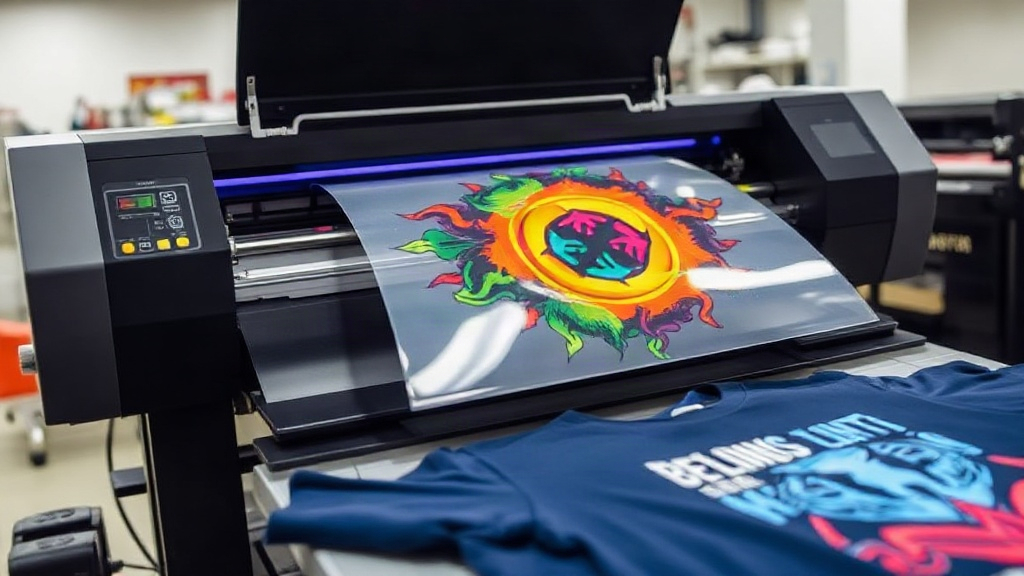
If you've been exploring custom apparel printing, you've likely encountered DTF printing. Short for Direct-to-Film, this technology has rapidly gained popularity for its versatility and vibrant results. Whether you're a small business owner, a hobbyist, or a professional printer, understanding DTF printing can open up new creative and commercial opportunities. In this guide, we'll dive deep into what DTF printing is, how it works, and why it might be the perfect solution for your next project.
What is DTF Printing?
DTF printing, or Direct-to-Film printing, is a method where designs are printed onto a special film, coated with adhesive powder, and then heat-pressed onto fabric. Unlike DTG (Direct-to-Garment) printing, which prints directly onto the garment, DTF allows you to transfer designs to a wide range of materials, including cotton, polyester, blends, and even treated nylon. This flexibility makes it a game-changer for custom apparel.
How Does DTF Printing Work?
The DTF printing process involves several key steps:
- Design Preparation: Your artwork is prepared digitally, ensuring it's mirrored and sized appropriately.
- Printing: A specialized DTF printer prints the design onto a PET film using water-based pigment inks. White ink is often used as a base to make colors pop on dark fabrics.
- Powder Application: While the ink is still wet, a hot-melt adhesive powder is applied evenly over the design. Excess powder is shaken off.
- Curing: The film is then heated to melt the powder, creating a sticky adhesive layer.
- Transfer: The film is placed onto the fabric and heat-pressed. After cooling, the film is peeled away, leaving the design bonded to the fabric.
Benefits of DTF Printing
Why choose DTF over other printing methods? Here are some compelling advantages:
- Versatility: Works on almost any fabric, including cotton, polyester, blends, and even leather.
- No Pretreatment: Unlike DTG, DTF doesn't require pre-treating the garment, saving time and money.
- Vibrant Colors: The white ink base allows for bright, opaque colors on dark garments.
- Durability: When applied correctly, DTF transfers are wash-resistant and stretchable.
- Cost-Effective for Small Runs: No minimum order quantities, making it ideal for custom orders.
DTF vs. Other Printing Methods
How does DTF stack up against DTG, screen printing, and vinyl? Let's compare:
- DTG: Best for 100% cotton, requires pretreatment, less durable on synthetics.
- Screen Printing: Cost-effective for large orders, but setup costs are high and colors are limited per screen.
- Vinyl: Good for simple designs, but not suitable for complex, multi-color images.
- DTF: Excels in full-color, detailed designs on various fabrics, with no minimums and low setup.
Applications of DTF Printing
DTF printing is used across many industries:
- Custom Apparel: T-shirts, hoodies, jeans, and more.
- Sportswear: Jerseys, leggings, and performance wear.
- Accessories: Tote bags, hats, and shoes.
- Promotional Items: Corporate giveaways and event merch.
Getting Started with DTF Printing
Ready to try DTF printing? Here's what you'll need:
- DTF Printer: Options range from entry-level to industrial.
- DTF Inks: Water-based pigment inks designed for DTF.
- PET Film: Special film that holds the ink and adhesive.
- Adhesive Powder: Hot-melt powder for bonding.
- Heat Press: For transferring the design.
Start with a small setup and scale as you grow. Many online resources and communities can help you troubleshoot.
Tips for Successful DTF Printing
- Choose Quality Supplies: Cheap film or powder can lead to failures.
- Control Moisture: Humidity affects powder application; keep your environment dry.
- Test Press Settings: Temperature, pressure, and time vary by fabric.
- Store Films Properly: Keep unused film in a cool, dry place.
Frequently Asked Questions
What fabrics can I use with DTF printing?
DTF works on cotton, polyester, blends, nylon, and even leather. It's one of the most versatile methods available.
Is DTF printing durable?
Yes, when applied correctly, DTF transfers withstand multiple washes and stretching without cracking or fading.
Do I need special software for DTF printing?
Most DTF printers come with RIP software that handles color management and mirroring. Adobe Photoshop or Illustrator can be used for design creation.
How much does a DTF printer cost?
Entry-level DTF printers start around $1,500, while industrial models can exceed $10,000. Consider your production volume before investing.
Can I use DTF on dark shirts?
Absolutely! DTF printing uses a white ink base, making it ideal for dark fabrics. The colors remain vibrant and opaque.
With its versatility, durability, and cost-effectiveness, DTF printing is a powerful addition to any custom apparel business. Whether you're just starting or looking to expand your offerings, mastering DTF can set you apart in a competitive market.