
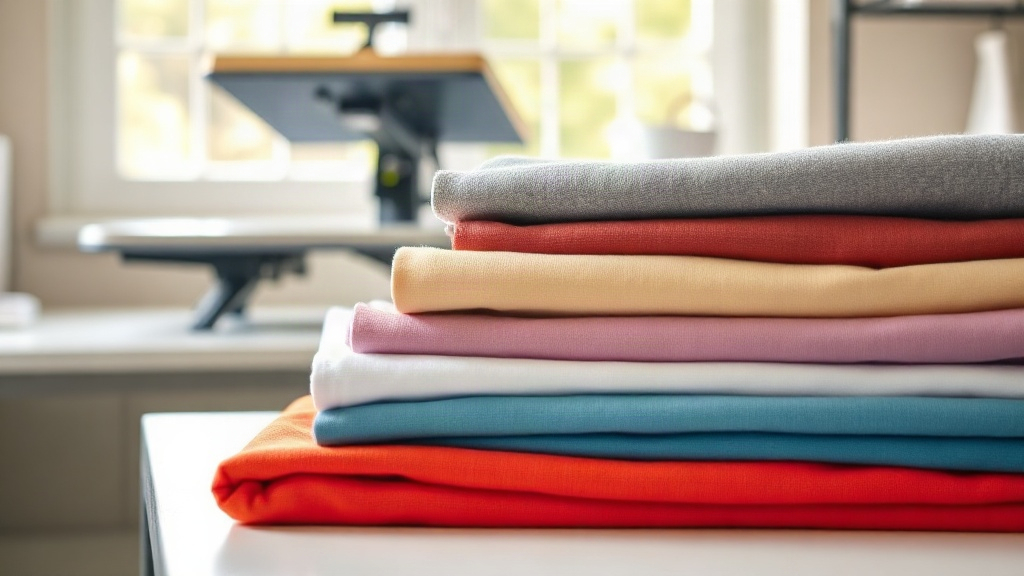
When you first dip your toes into the world of custom apparel, the sheer number of variables can feel overwhelming. You have to consider ink types, transfer films, pressing temperatures, and of course, the garment itself. Among these, the blank you choose plays a starring role in how your final product looks, feels, and holds up over time. That's where smart blanks come into the picture. These aren't just any ordinary tees; they are engineered to work seamlessly with modern printing techniques, especially DTF. In this article, we'll unpack what makes a blank 'smart,' why brands like Shaka Wear are leading the charge, and how DTF transfers can elevate your designs to professional-grade quality.
What Exactly Are Smart Blanks?
The term 'smart blanks' might sound like a marketing buzzword, but it actually describes a category of garments designed with decoration in mind. Unlike basic blanks that may have inconsistent thread counts or problematic dyes, smart blanks are manufactured with tight quality control. They often feature:
- Optimal fabric blends (like cotton-polyester mixes) that accept transfers smoothly.
- Pre-shrunk construction to minimize movement during pressing.
- Colorfast dyes that won't bleed or fade under heat.
- Consistent surface texture for even adhesion.
These attributes might seem minor, but they make a world of difference when you're applying DTF transfers. A smart blank acts as a reliable canvas, ensuring your design pops without unexpected issues like ghosting or premature peeling.
Why Shaka Wear Stands Out in the Smart Blanks Arena
If you've spent any time in the custom apparel scene, you've likely heard of Shaka Wear. This brand has carved a niche for itself by offering blanks that cater specifically to streetwear and urban fashion. But what makes their blanks 'smart'? For starters, Shaka Wear garments are known for their heavyweight fabrics and relaxed fits, which are incredibly popular among DTF printers. The dense weave provides a stable base for transfers, reducing the risk of the design distorting when stretched. Moreover, their color range includes rich, deep tones that complement vibrant DTF prints. Whether you're printing a bold graphic or a subtle logo, Shaka Wear blanks deliver a premium feel that customers notice.
Key Features of Shaka Wear Blanks
- Heavyweight cotton (often 6.5 oz or higher) for durability.
- Double-needle stitching on hems and sleeves.
- Preshrunk to reduce shrinkage after washing.
- Wide color selection, including trendy earth tones and classic blacks.
These features make Shaka Wear a go-to for DTF printers who want reliability without sacrificing style.
The Role of DTF Transfers in Modern Apparel Decoration
DTF, or Direct-to-Film, printing has exploded in popularity for good reason. It allows for intricate, multi-color designs on a variety of fabrics without the setup costs of screen printing. But not all blanks are created equal when it comes to DTF. The transfer process involves printing your design onto a special film, applying adhesive powder, and then heat-pressing it onto the garment. If the blank isn't compatible, you might encounter issues like:
- Poor adhesion leading to peeling.
- Cracking after a few washes.
- Color bleeding from the fabric into the design.
This is where smart blanks shine. They are tested to ensure compatibility with DTF transfers, providing a smooth, even surface that bonds well with the adhesive. The result is a print that looks like it was screen-printed but with far more detail and color vibrancy.
How to Choose the Right Blank for DTF Printing
Not every project calls for the same blank. Here are some factors to consider:
- Fabric content: 100% cotton works well, but cotton-poly blends can offer better durability and color retention.
- Weave and weight: Heavier fabrics (like those from Shaka Wear) tend to hold up better over time.
- Color: Light colors require less ink, while dark colors may need a white underbase for opacity.
- Pre-treatment: Some blanks come pre-treated for DTF, but most smart blanks are ready to press right out of the bag.
By matching your blank to your design and intended use, you'll achieve professional results consistently.
Maximizing Your DTF Printing with Smart Blanks
Once you've selected your smart blank and DTF transfers, the next step is execution. Here are some best practices to get the most out of your setup:
- Pre-press the garment: This removes moisture and wrinkles, ensuring a smooth surface.
- Use the right pressure: Medium to firm pressure is typically ideal for DTF.
- Follow temperature guidelines: Most DTF transfers require 325°F for 10-15 seconds.
- Peel cool: Wait for the transfer to cool before peeling the film for a matte finish.
- Post-press: A quick second press with a cover sheet can improve durability.
These steps, combined with quality materials, will set your prints apart.
Common Pitfalls to Avoid with Smart Blanks and DTF
Even with the best materials, mistakes happen. Watch out for these common issues:
- Skipping pre-press: Moisture can cause the transfer to bubble or fail to adhere.
- Inconsistent pressure: Uneven pressure leads to patchy adhesion.
- Overheating: Too much heat can scorch the fabric or distort the design.
- Using fabric softener: This can leave a residue that prevents proper bonding.
By being mindful of these pitfalls, you'll save time and materials.
Frequently Asked Questions
What are smart blanks and why are they important for DTF printing?
Smart blanks are garments engineered with features that enhance printability, such as consistent fabric texture, colorfast dyes, and preshrunk construction. They are important because they ensure DTF transfers adhere properly, resulting in vibrant, long-lasting prints without common issues like cracking or peeling.
Can I use Shaka Wear blanks for DTF transfers?
Absolutely. Shaka Wear blanks are a popular choice for DTF printing due to their heavyweight fabrics and smooth surfaces. Their durability and style make them ideal for high-quality custom apparel that withstands repeated wear and washing.
How do I prepare a smart blank before applying DTF transfers?
Start by pre-pressing the garment for a few seconds to remove moisture and wrinkles. Then, position your DTF transfers and press according to the transfer instructions, usually at 325°F for 10-15 seconds with medium pressure. Always peel the film cool for best results.
What fabric blends work best with DTF printing?
Cotton-poly blends (like 50/50) are excellent for DTF because they combine the comfort of cotton with the durability of polyester. However, 100% cotton also works well, especially when using smart blanks designed for heat transfer applications.
How can I ensure my DTF prints last long on smart blanks?
To maximize longevity, follow proper washing instructions: turn the garment inside out, wash in cold water, and avoid fabric softeners. Additionally, ensuring correct pressing parameters during application is key to a durable bond between the DTF transfers and the smart blank.