
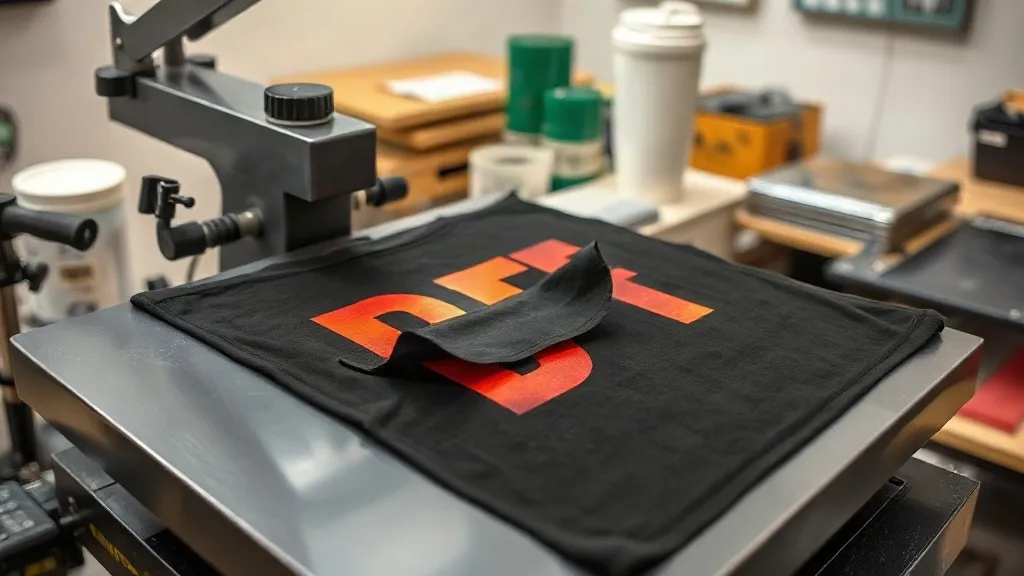
You press a dtf transfers onto a shirt, it looks perfect, and then the first wash turns it into a curling mess. If that sounds familiar, you are not alone. Adhesion and wash durability are the two most common complaints in dtf printing, and they almost always trace back to a handful of controllable variables. This guide walks through the real causes and the fixes that work in a production setting.
Why DTF Prints Fail After Washing
When a dtf transfer peels or cracks, the adhesive layer did not bond properly with the fabric. That bond depends on three things: the powder application, the press settings, and the fabric itself. Miss any one of them and the print may look fine out of the press but fail later. The tricky part is that failures often show up days later, which makes it hard to connect the problem to the cause. The best approach is to treat every job as a test and track your variables.
The Role of the Adhesive Powder
Adhesive powder is the bridge between the ink and the fabric. If the powder is too coarse, it will not melt evenly. If it is too fine, it can blow off during shaking. The sweet spot is a consistent, medium-grain powder applied while the ink is still wet. Shake off excess gently, then cure the powder until it looks like a matte, slightly textured surface. Overcuring turns the powder glassy and brittle, which leads to cracking. Undercuring leaves loose powder that will clog your press and weaken the bond.
Press Settings That Matter More Than You Think
Temperature, pressure, and time are the usual suspects, but the interaction between them is what counts. A common mistake is cranking up the temperature to compensate for short dwell time. That can scorch the adhesive and cause delamination. Instead, start with a moderate temperature (around 160°C or 320°F), medium pressure, and 10 to 15 seconds. Then adjust one variable at a time. If the print peels at the edges, increase pressure slightly or add a second press cycle. If the print looks dull, check that the powder fully melted.
Fabric Compatibility and Prep
Not all fabrics accept dtf transfers equally. Cotton and poly-cotton blends generally bond well, but 100% polyester can be tricky because the fabric surface is smoother and sometimes treated with finishes that repel adhesives. Pre-pressing the garment for a few seconds removes moisture and wrinkles, giving the transfer a clean surface. For polyester, a lower temperature and slightly longer dwell can help. Also consider the fabric weave: a loose knit may allow the adhesive to sink in too far, leaving less on the surface to bond with the print.
Diagnosing Adhesion Problems: A Step-by-Step Checklist
When a print fails, work through these checks in order. This will help you isolate the cause quickly and avoid random changes that create new problems.
- Check the powder application: Is the powder evenly distributed? Are there bare spots? Hold the film up to the light to see if the adhesive layer is consistent.
- Verify press calibration: Use a heat press thermometer to confirm the platen temperature matches the display. Pressure should be firm but not excessive; too much pressure can squeeze the adhesive away from the edges.
- Test the peel: After pressing, wait for the film to cool completely before peeling. Peeling while hot can distort the print and weaken the bond. If the film resists peeling, that is a sign of good adhesion.
- Evaluate the fabric: Try the same transfer on a known-good fabric. If it adheres well there, the issue is likely the original garment's finish or weave.
- Wash test: Wait at least 24 hours after pressing before washing, and wash inside out in cold water. Check the print after each of the first three washes to catch early signs of failure.
Wash Durability: What Really Happens in the Laundry
Even a perfectly applied dtf transfer faces stress in the wash. Detergents, agitation, and heat all work against the adhesive. The key is to set realistic expectations and educate your customers. A DTF print can last 50 washes or more if cared for properly, but it is not indestructible. The most common cause of premature failure is washing in hot water or drying on high heat. Both soften the adhesive and cause the print to lift. Recommend cold water and low tumble dry or hang dry. Also avoid fabric softener, which can leave a residue that interferes with the bond.
How to Test Wash Durability in Your Shop
You do not need a lab to test durability. Create a simple wash test protocol: press a sample transfer onto the same fabric you use for orders, wait 24 hours, then wash it five times with a load of towels. Check for edge lifting, cracking, and color fade after each cycle. Keep notes on the settings and materials used. Over time, you will build a reliable baseline and can spot when a new batch of film or powder behaves differently.
Customer Education That Prevents Complaints
Include a small care card with every order. It does not need to be fancy: a few lines about washing inside out, avoiding high heat, and not ironing directly on the print will save you a lot of returns. When customers know how to care for the print, they are less likely to blame the product for normal wear. If you sell at markets or online, add the care instructions to your product listings. This simple step reduces support requests and builds trust.
When to Look for DTF Transfers Near Me
Sometimes the issue is not your process but the supplies. If you have tried everything and still get inconsistent results, it may be time to source from a different supplier. Searching for dtf transfers near me can connect you with local providers who understand the climate and shipping conditions in your area. Humidity during transit can affect film and powder, so buying from a nearby source can reduce variability. Local suppliers also offer faster turnaround for test orders, which helps you dial in your settings without waiting weeks for restocks.
Building a Repeatable Quality Check
Consistency is the goal. Create a simple quality control sheet for every batch of transfers you produce or buy. Record the film brand, powder type, press temperature, pressure, dwell time, and fabric. After pressing, do a quick peel test on a scrap piece. If it passes, proceed with the order. If not, adjust one variable and test again. Over time, this log becomes your troubleshooting bible. You will start to see patterns, like how a new powder requires a slightly longer dwell or how a particular fabric needs extra pre-pressing. This data-driven approach turns guesswork into a reliable system.
Frequently Asked Questions
Why does my DTF transfer peel off after the first wash?
Peeling after the first wash usually means the adhesive did not fully bond. Check that the powder was applied evenly and cured properly. Also verify that the press temperature and pressure are correct for the fabric. Washing too soon (within 24 hours) or using hot water can also cause premature failure.
Can I fix a DTF transfer that has already started to peel?
If the peel is minor, you can try re-pressing the area with a heat press or iron using a protective sheet. However, once the adhesive has lifted, the bond is weakened and the fix may be temporary. For best results, remove the transfer and apply a new one.
How many washes should a DTF transfer last?
With proper care, a DTF transfer can last 50 washes or more. Longevity depends on the fabric, the quality of the transfer, and washing conditions. Cold water and low heat drying significantly extend the life of the print.
What is the best way to store DTF transfers before use?
Store transfers in a cool, dry place away from direct sunlight. Keep them flat or rolled loosely to avoid creases. Humidity can affect the powder, so use a sealed container with a desiccant pack if you live in a humid climate.
Do I need a special detergent for DTF-printed shirts?
No special detergent is required, but avoid fabric softeners and bleach. A mild, liquid detergent works well. Wash inside out in cold water and tumble dry on low or hang dry to preserve the print.