
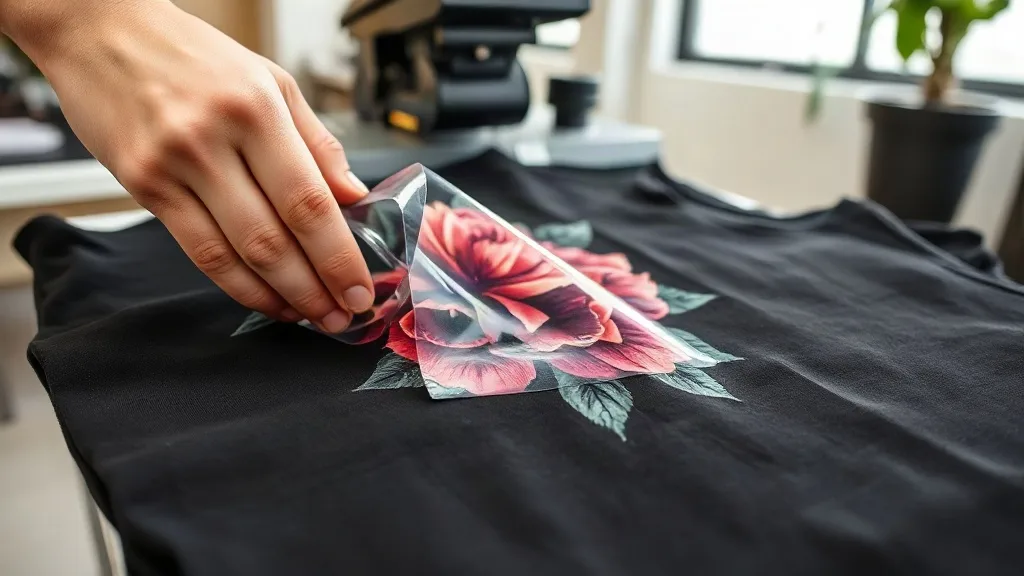
Custom apparel printing has evolved dramatically over the past decade, and one technology that has captured the attention of both hobbyists and professionals is dtf transfers. Unlike traditional methods that require specialized equipment or restrict fabric choices, DTF (Direct to Film) printing offers a versatile, accessible solution for creating vibrant, long-lasting designs on almost any material. Whether you're running a small print shop, designing team uniforms, or simply want to personalize your own clothing, understanding DTF transfers can open up a world of creative possibilities.
What Are DTF Transfers?
At its core, dtf printing is a process where your design is printed onto a special film using water-based inks, then coated with a powder adhesive and cured. The resulting transfer can be applied to fabric using a heat press. This method eliminates the need for pretreating garments (as required in DTG printing) and works on a wide range of fabrics, including cotton, polyester, blends, and even some non-textile items like canvas bags and hats. The key advantage is that DTF transfers produce bright, detailed prints with excellent wash durability, making them a favorite for both small businesses and DIY enthusiasts.
How DTF Transfers Work: Step by Step
Understanding the DTF process helps you appreciate its capabilities and limitations. Here's a breakdown of the steps involved:
- Design Preparation: Your artwork is prepared digitally, ensuring it's mirrored and properly sized. DTF printers use CMYK plus white ink, so you can include white underbases for vibrant colors on dark fabrics.
- Printing: The design is printed onto a PET film. The printer lays down a white ink layer first (if needed), followed by the color layers. This is crucial for opacity on dark garments.
- Powder Application: While the ink is still wet, a hot-melt adhesive powder is applied evenly over the printed area. Excess powder is shaken off.
- Curing: The film is then heated to melt the powder, creating a dry, tacky adhesive layer. This step ensures the transfer will bond properly to the fabric.
- Heat Pressing: The cured transfer is placed onto the fabric and pressed with a heat press at a specific temperature and pressure. The adhesive melts, bonding the ink to the fabric.
- Peeling: After pressing, the film is peeled away (hot or cold peel depending on the film type), leaving the design embedded in the fabric.
Each step requires attention to detail, but once mastered, DTF transfers yield professional-grade results.
Why Choose DTF Transfers?
There are several compelling reasons why DTF transfers have become a go-to solution for custom printing:
- Fabric Versatility: Unlike DTG, which works best on 100% cotton, DTF adheres to cotton, polyester, blends, and even leather-like materials. This means you can print on virtually any garment without worrying about compatibility.
- No Pretreatment: DTG requires pretreating the garment to improve ink adhesion and color vibrancy. DTF skips this step entirely, saving time and reducing chemical use.
- Durability: When applied correctly, DTF prints withstand repeated washing without significant fading or cracking. The adhesive bonds strongly to the fibers, ensuring longevity.
- Cost-Effective for Small Runs: Setting up screen printing for a small batch can be expensive due to screen preparation. DTF transfers are economical for short runs and one-offs, making them ideal for personalized items.
- High Detail and Color: DTF printers can reproduce intricate details and gradients with accuracy, and the white ink base ensures colors pop on dark fabrics.
Applications of DTF Transfers
DTF transfers are used across various industries and personal projects. Common applications include:
- Custom T-shirts and Apparel: Perfect for small businesses creating branded merchandise, event shirts, or fashion lines.
- Sports Teams and Clubs: Team jerseys, uniforms, and fan gear with names and numbers.
- Promotional Items: Tote bags, hats, and corporate gifts.
- Home Decor: Personalized pillowcases, aprons, and canvas prints.
- DIY and Crafts: Hobbyists love DTF for its ease of use and professional results.
Finding DTF Transfers Near You
If you're eager to try DTF printing but don't want to invest in equipment, you can order custom transfers from specialized service providers. A quick search for dtf transfers near me will reveal local shops that can print and ship transfers directly to you. This is a great way to test the waters without a hefty upfront cost. When choosing a provider, consider their turnaround time, film quality, and customer reviews.
Tips for Successful DTF Application
To ensure your DTF transfers look great and last, follow these best practices:
- Use the Right Heat Press Settings: Temperature, pressure, and time vary by film type. Always follow the manufacturer's recommendations. Typically, temperatures range from 300°F to 340°F (150°C to 170°C) with medium to heavy pressure.
- Pre-Press the Garment: This removes moisture and wrinkles, ensuring a smooth surface for adhesion.
- Allow Proper Cooling: Some films require hot peel, others cold peel. Peeling at the wrong temperature can ruin the transfer.
- Store Transfers Correctly: Keep unused transfers in a cool, dry place away from direct sunlight to prevent the adhesive from degrading.
- Wash Inside Out: To prolong the life of the print, wash garments inside out in cold water and avoid harsh detergents.
DTF vs. Other Printing Methods
How does DTF stack up against other popular printing techniques? Here's a quick comparison:
- DTF vs. DTG: DTG requires pretreatment and works best on cotton, while DTF works on more fabrics and skips pretreatment. DTF also tends to have a softer feel after washing.
- DTF vs. Screen Printing: Screen printing is cost-effective for large orders but has setup costs and limited color gradients. DTF excels in small batches and complex designs.
- DTF vs. Vinyl: Vinyl is durable but limited in color and detail. DTF offers full-color, photographic-quality prints.
Frequently Asked Questions
How long do DTF transfers last?
With proper application and care, DTF transfers can last as long as the garment itself, often 50+ washes without significant fading or cracking.
Can I apply DTF transfers to dark fabrics?
Yes, DTF transfers include a white ink layer that makes colors vibrant on dark fabrics. This is one of their key advantages.
What equipment do I need to start DTF printing?
You'll need a DTF printer, PET film, adhesive powder, a heat press, and a design software. Alternatively, you can order pre-printed transfers from a service.
Are DTF transfers safe for children's clothing?
Yes, DTF inks are water-based and generally safe. However, always ensure the transfers are properly cured and follow safety guidelines.
Can I stretch DTF prints?
DTF prints have some stretchability, but excessive stretching may cause cracking. They are best suited for areas with minimal stretch.
DTF transfers have democratized custom apparel printing, offering a blend of versatility, durability, and ease of use. Whether you're a business owner or a DIY enthusiast, exploring DTF technology can elevate your projects. For more in-depth guides and tips, stay tuned to dtfinsight.com.